Friday, March 10, 2023

Free Ways to Educate Pregnant Women About Preventing #1 Birth Defects Virus, CMV


Cost of NOT preventing congenital CMV: "at least 3000 [newborns] are estimated to develop permanent neurologic disabilities each year due to cCMV infection...With an estimated annual cost of up to $4 billion in the United States, cCMV infection is an enormous public health concern..." ("Cost-effectiveness of Universal and Targeted Newborn Screening for Congenital Cytomegalovirus Infection" (Gantt, S, 2016). 


1)  Ask the Commissioner of  Health to upload the free CMV educational materials to the Department of Health Website. The CDC, AAP and Medscape have great materials.  If materials are from the CDC, they don't seem to have to go through an approval process. 

Medscape, which offers free professional online education and CME (Continuing Medical Education) to physicians and healthcare professionals, now works to advance awareness of congenital CMV. Gail J. Demmler-Harrison, MD can be seen introducing its new CMV program: “As chair of the steering committee, I’d like to welcome you to Clinical Advances in Cytomegalovirus or CMV, a comprehensive learning center for clinicians who treat patients with CMV or who treat patients who are at risk for CMV…” (medscape.org/sites/advances/cmv). Dr. Demmler-Harrison told Saunders, “This is just the first of many CME educational programs Medscape has planned. Check back often for new programs!" 

2) Ask legislators to ask doctors who provide prenatal care to distribute information about CMV prevention (CT DPH website has letter: About CMV For Obstetric Health Care Providers”. It needs to be written in statute, similar to Iowa law, “An attending health care provider shall provide to a pregnant woman during the first trimester of the pregnancy the informational materials published under this subsection. The center for congenital and inherited disorders shall make the informational materials available to attending health care providers upon request.

3) Distribute links to fliers to doctors and child care providers through association newsletters.  


4) Ask student interns to create materials especially for child care providers. Although the CT DPH has info for child care providers (see: https://portal.ct.gov/DPH/Family-Health/EHDI/CMV), it doesn't have a flyer specifically for child care providers. 


I asked CT DPH: 

As you may be aware, the  Cytomegalovirus education  bill is now Raised H.B. No. 6821: AN ACT 

CONCERNING EDUCATION REGARDING CYTOMEGALOVIRUS, which only requires CMV info on the DPH website. Commissioner of Health, Manisha Juthani, MD, stated in her letter of testimony: "DPH currently maintains a website, portal.ct.gov/DPH/Family-Health/EHDI/CMV, that provides information on symptoms, diagnosis, and treatment of cytomegalovirus. We are happy to work with practitioners and community providers if they would like additional information on cytomegalovirus to be added to the website..."
  • 3/06/2023 Juthani, Manisha, Commissioner-Department of Public Health-
 
Commissioner of Health, Manisha Juthani, MD, dph.commissioner@ct.gov

ADD:

UCONN students created a CMV training video for child care providers. 
  • CMV Training Module for child care providers (University of Connecticut):https://youtu.be/k9MFAEYVuLs
  • CDC flyers in English and Spanish:https://www.cdc.gov/cmv/resources/pregnant-women-parents.html
  • Recommendations from the AAP for caregivers/teachers at:http://nrckids.org/CFOC/Database/7.7.1.1"Staff Education and Policies on Cytomegalovirus (CMV)," American Academy of Pediatrics, American Public Health Association, National Resource Center for Health and Safety in Child Care and Early Education. (Revised 2017). National Health and Safety Performance Standards: Guidelines for Early Care and Education Programs. Retrieved from Caring for Our Children

CT DPH currently have this for child care providers: 
For Childcare Providers and Pediatrics Professionals:


Due to frequent contact with young children, childcare providers and other pediatric professionals, may be at greater risk for CMV.  According to the National CMV Foundation,  “Contact with infected bodily fluids, including saliva or urine of young children, is a major cause of CMV infection among pregnant women –  especially mothers, daycare workers, preschool teachers, therapists, and nurses. Studies in childcare settings suggest that as many as 75% of toddler-aged children have CMV in their urine or saliva, and viable CMV can persist on hands for at least 15 minutes.” Following standard hygiene practices mentioned above may help prevent the spread of CMV.


*)Ask CDC to include child care workers on its list of occupations affected by bloodborne pathogens since they bandage up cuts/scrapes: https://www.cdc.gov/niosh/topics/bbp/occupations.html

 "Under OSHA's bloodborne pathogens standard, employers having employees with exposure to blood or other potentially infectious materials (OPIM) must train employees annually regardless of the employees' prior training or education" (Standard Interpretations, 2007). I, and others, have contacted OSHA, asking them to put CMV on their official bloodborne pathogen list, because then it means that child care providers across the country will receive training in CMV.

CMV info should be a part of bloodborne pathogens/universal precautions training for child care providers since they must bandage cuts and handle blood. Their CMV Hazard Recognition page indicates rationale for why it could be included, yet it is not a requirement: https://www.osha.gov/cytomegalovirus/hazards 

Cytomegalovirus - Standards | Occupational Safety and Health Administration (osha.gov)

  • OSHA's Personal Protective Equipment (PPE) standards (29 CFR 1910 Subpart I), which include requirements for when employees must use gloves and eye and face protection, may apply to protecting workers from CMV.
  • OSHA's Bloodborne Pathogens (BBP) standard (29 CFR 1910.1030) applies to occupational exposure to human blood and other potentially infectious materials. The BBP standard applies to occupational exposure to some human body fluids, including blood and saliva in dental procedures, which can transmit CMV. The BBP standard also describes measures could serve as a framework to control non-bloodborne exposures, including to body fluids such as urine, feces, and saliva (except in dental procedures) to which the standard does not apply.

*) I just asked the Red Cross the following: Thank you for your information on cytomegalovirus

I understand that blood-collecting folks tell donors WHY they are happy if a donor is CMV-negative. Is there any way you can help provide more information, like handing out a flier  to everyone about CMV, not to just those who are negative?

Women of childbearing age are not told about CMV, the leading viral cause of birth defects. As you may be aware, 1 in 200 babies is born with congenital CMV (my daughter was one of them and lived for 16 years with a severely damaged brain).

Here is an excerpt from a recent article that illustrates what I'm talking about: "One afternoon, a technician looked at my blood-donor card and pointed out the three letters with a minus sign typed on the bottom right. "How wonderful!" he said. "Your blood can be donated to preemies!" It meant I'd never contracted CMV...I was proud that my blood could help newborns — but looking back, I wish I'd understood that it also meant I should try to avoid CMV if I ever became pregnant. Eventually, my son was on the receiving end of those blood donations because of challenges that had been preventable."
 "My son was born sick from a virus he caught in utero. He's now 10 and has several disabilities" JACLYN GREENBERG,
 March 7, 2023: https://africa.businessinsider.com/health/my-son-was-born-sick-from-a-virus-he-caught-in-utero-hes-now-10-and-has-several/5bfd2v3

 *) Find one catchy phrase to get out on social media, such as "don't share you pacifier", etc., to get it as known as the kitty litter virus (even though toxoplasmosis is contracted other ways, the kitty litter thing at least gets one thinking about it).  Examples: #ReduceYourRisk, Save pregnancy from CMV, etc


Thursday, March 2, 2023

Newborns with symptomatic and asymptomatic congenital cytomegalovirus (CMV)


I am not a doctor, so I collected fliers, web content and opinions to consider: 


FROM THE NATIONAL CMV FOUNDATION:

Next Steps After a CMV Diagnosis

Next Steps After a CMV Diagnosis

MINNESOTA

Minnesota now tests ALL newborns for CMV and makes the following recommendations for those diagnosed with congenital CMV: Congenital Cytomegalovirus--Overview 

https://www.health.state.mn.us/people/newbornscreening/program/cmv/index.html

Congenital Cytomegalovirus Frequently Asked Questions

Information specific for families: 

https://www.health.state.mn.us/people/newbornscreening/program/cmv/faq.html


OPINIONS FROM EXPERTS

1) Asymptomatic congenital cytomegalovirus (CMV)

"If an infant is known to have passed the newborn hearing screen but has tested positive for CMV, the most recent JCIH [Joint Committee on Infant Hearing] statement recommends a full pediatric audiology evaluation by 3 months of age and then future monitoring “every 12 months to age 3 or at shorter intervals based on parent/provider concerns," stated Brenda K. Balch, MD, American Academy of Pediatrics Early Hearing Detection & Intervention Connecticut Chapter Champion (CMV - An often unknown cause of hearing loss, 2019). 

Another opinion: Dr. Gail Demmler-Harrison said, "I actually suggest every 6 months for 3 years, then annually thereafter, or soon if concerns" (Feb. 2023)


2) Symptomatic congenital cytomegalovirus (CMV)

General opinion relevant to any state: "A newborn or infant diagnosed with congenital CMV infection should be seen/evaluated/consulted by an expert in pediatric infectious diseases.  These experts may be found at most children's hospitals and major medical centers. While most babies with congenital CMV infection have no symptoms, and will not experiencer long term consequences, some infants do have disease and sequelae from congenital CMV, so it is important to have the baby fully evaluated as early as possible, to see if they meet criteria for antiviral treatment and/or special monitoring. All babies, whether symptoms or not, are at risk for hearing loss, and this hearing should always be monitored carefully in all babies born with congenital CMV infection. Hearing can be monitored by a pediatric audiologist or a pediatric otolaryngologist/ENT specialist, or the baby's pediatrician."


Saturday, February 11, 2023

Including children with known congenital CMV in New York

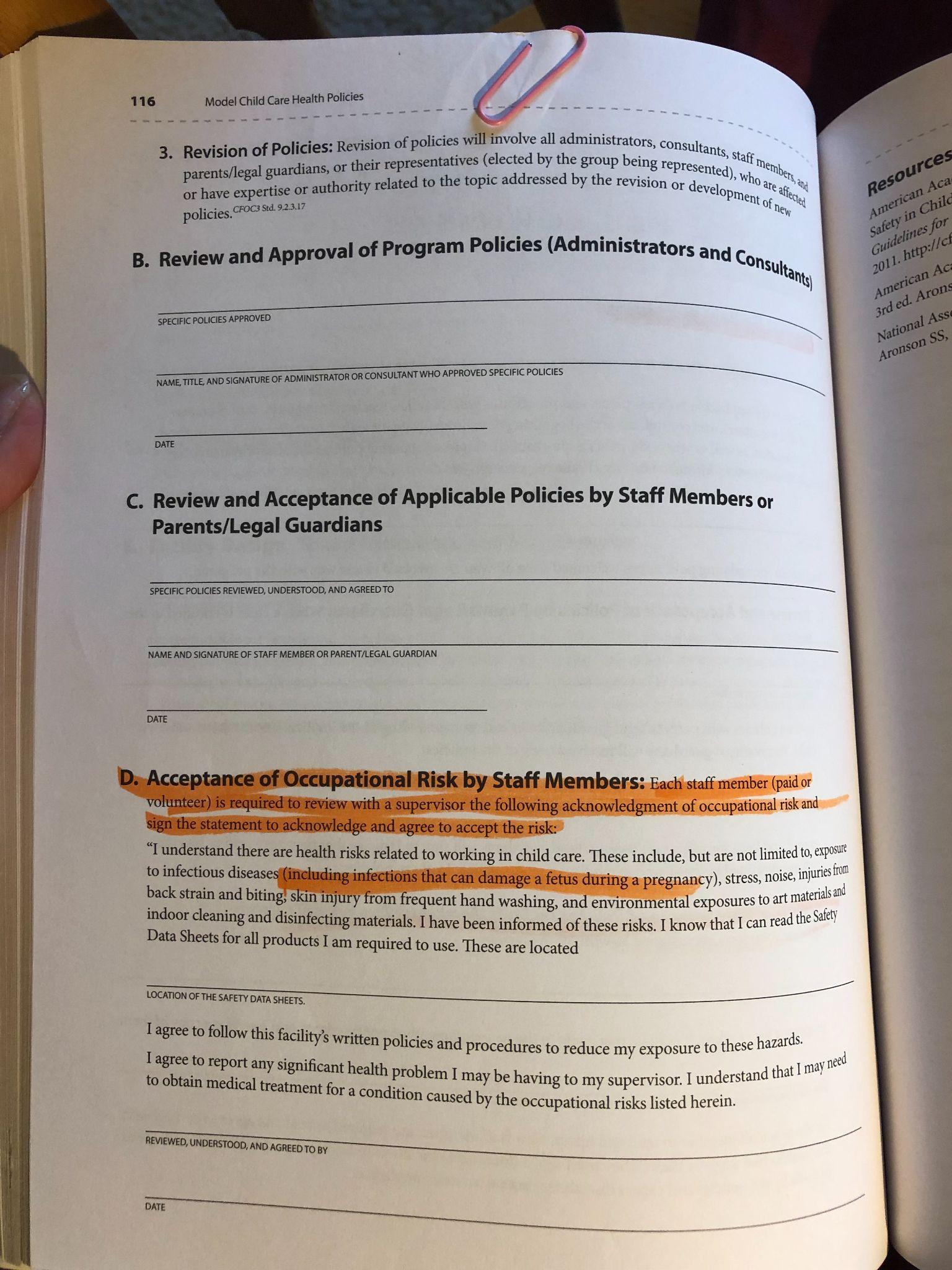
Page 116 - Model Child Care Health Policies, published by the American Academy of Pediatrics, recommends staff members acknowledge and accept “Occupational Risk” of working in child care “including infections that can damage a fetus during pregnancy” 


NEW LAW IN NEW YORK

Did you know about the new law aimed at educating child care providers and pregnant women about cytomegalovirus (CMV), the leading viral cause of birth defects?


I am a CMV advocate (but not a doctor). However, I and can help direct you to more information. If you don't know what congenital CMV is, or about the new law named "Elizabeth's Law," in memory of my daughter,  I suggest reading: 


Once child care providers learn about CMV, their increased risk and need to carefully follow infection control policies, or learn there is a known case of congenital CMV in their group, they may be wondering if they should work with that child. 

According to the National CMV Foundation: "Precautions for Caregivers: Contact with infected bodily fluids, including saliva or urine of young children, is a major cause of CMV infection among pregnant women –  especially mothers, daycare workers, preschool teachers, therapists, and nurses. Studies in childcare settings suggest that as many as 75% of toddler-aged children have cmv in their urine or saliva, and viable CMV can persist on hands for at least 15 minutes. Per the AAPs 2015 Red Book recommendations for CMV, which states that healthcare workers, even when pregnant, do not need to exclude children with CMV, as up to 80% of asymptomatic children are shedding CMV at any time. Universal precautions are enough to minimize exposure." Learn more at: https://www.nationalcmv.org/resources/for-childcare-providers and/or see their flier, "Should I Exclude a Child Born With CMV?"

Caregivers/teachers should be referred to their primary care doctor or health department  for counseling about their risk of CMV infection per the guidelines in Caring for Our Children: 7.7.1.1: Staff Education and Policies on Cytomegalovirus (CMV), which states: 

Cytomegalovirus (CMV) is a viral infection that is common in children. Up to 70% of children ages 1 to 3 years in group care settings excrete the virus (1).
Staff of childbearing age who care for infants and children should be provided the following information:

  1. The increased probability of exposure to cytomegalovirus (CMV) in the child care setting;
  2. The potential for fetal damage when CMV is acquired during pregnancy;
  3. The importance of hand hygiene measures (especially handwashing and avoiding contact with urine, saliva, and nasal secretions) to lower the risk of CMV;
  4. The availability of counseling and testing for serum antibody to CMV to determine the caregiver/teacher’s immune status.

Female employees of childbearing age should be referred to their primary health care provider or to the health department authority for counseling about their risk of CMV infection. This counseling may include testing for serum antibodies to CMV to determine the employee’s immunity against CMV infection.
Since saliva can transmit CMV, staff should be advised not to share cups or eating utensils, kiss children on the lips, or allow children to put their fingers or hands in another person’s mouth. 

RATIONALE
CMV is the leading cause of congenital infection in the United State and approximately 1% of live born infants are infected prenatally (1). While most infected fetuses likely escape resulting illness or disability, 10% to 20% may have hearing loss, developmental delay, cerebral palsy, or vision disturbances (1). Although maternal immunity does not entirely prevent congenital CMV infection, evidence indicates that acquisition of CMV during pregnancy (primary maternal infection) carries the greatest risk for resulting illness or disability of the fetus (2).

Children enrolled in child care facilities are more likely to acquire CMV than are children cared for at home (2). Epidemiologic data, as well as laboratory testing of viral strains, has provided evidence for child-to-child transmission of CMV in the child care setting (1). Rates of CMV excretion vary among facilities and between class groups within a facility. Children between one and three years of age have the highest rates of excretion; published studies report excretion rates between 30% and 40% (2). Many children excrete CMV asymptomatically and intermittently for years.

With regard to child-to-staff transmission, studies have shown increased rates of infection with CMV in caregivers/teachers ranging from 8% to 20% (2). The increased risk for exposure to CMV and high rates of acquisition of CMV in caregivers/teachers could lead to increased rates of congenital CMV infection. Meticulous hand hygiene can reduce the rates of infection by preventing CMV transmission. With current knowledge on the risk of CMV infection in child care staff members and the potential consequences of gestational CMV infection, child care staff members should receive counseling in regard to the risks of acquiring CMV from their primary health care provider. However, it is also important for the child care center director to inform infant caregivers/teachers of the increased risk of exposure to CMV during pregnancy (1). 

COMMENTS

For additional information regarding CMV, consult the CMV chapter in the current edition of the Red Book from the American Academy of Pediatrics (AAP).

TYPE OF FACILITY
Center, Early Head Start, Head Start, Large Family Child Care Home, Small Family Child Care Home
RELATED STANDARDS
3.6.1.1 Inclusion/Exclusion/Dismissal of Ill Children
REFERENCES
  1. Aronson, S. S., T. R. Shope, eds. 2017. Managing infectious diseases in child care and schools: A quick reference guide, 4th Edition.Elk Grove Village, IL: American Academy of Pediatrics.
  2. American Academy of Pediatrics. Cytomegalovirus (CMV) Infection In: Kimberlin DW, Brady MT, Jackson MA, Long SS, eds. Red Book: 2018 Report of the Committee on Infectious Diseases. 31st Edition. Itasca, IL:  American Academy of Pediatrics; 2018: 310-317
NOTES

Content in the STANDARD was modified on 3/31/17.

(Visit: https://nrckids.org/CFOC/Database/7.7.1.1)


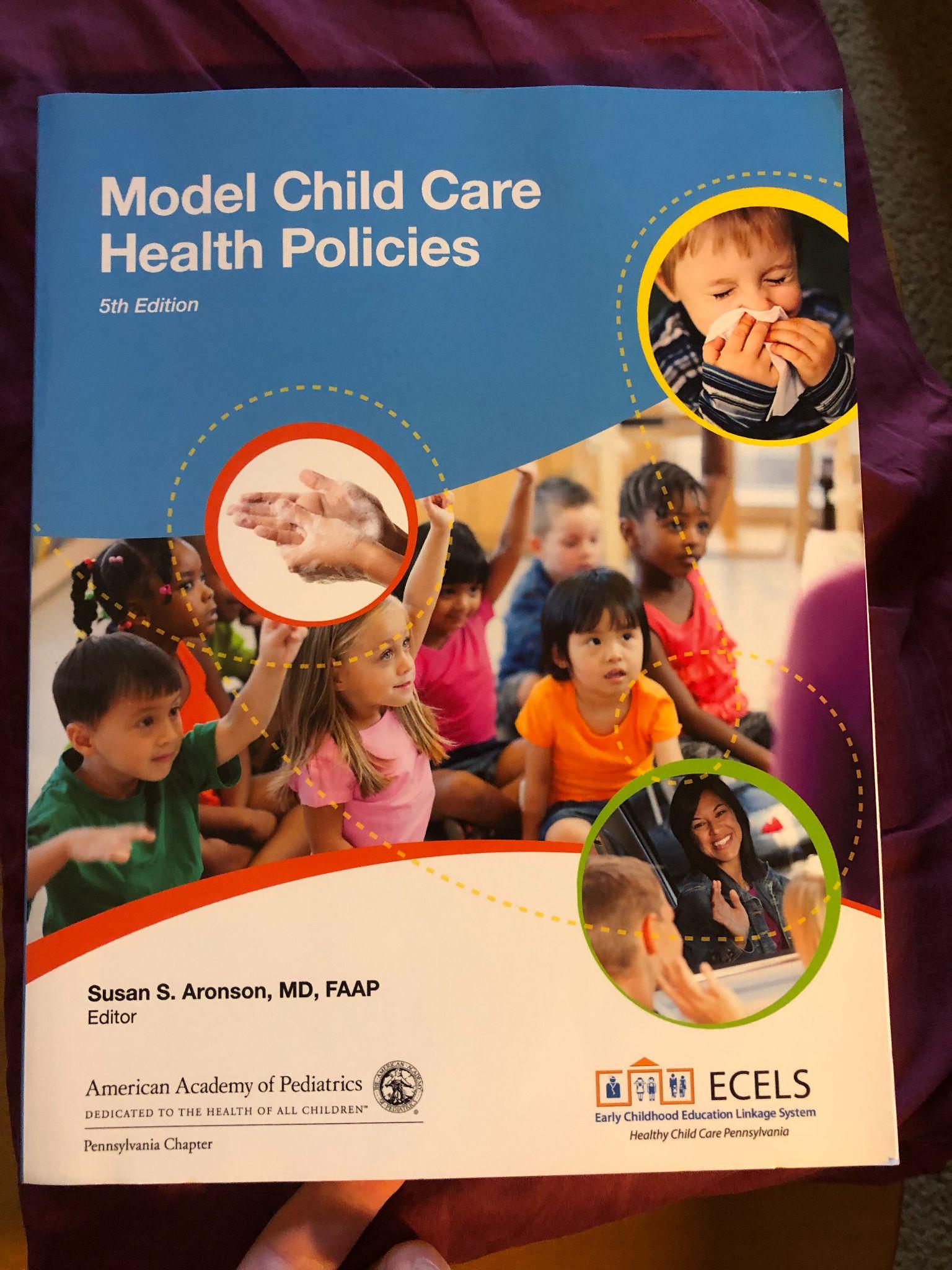
Child care licensing agencies should instruct child care centers and preschools to educate staff about CMV. The book, Model Child Care Health Policies, has a sample document to be signed by staff (paid or volunteer) to show “Acceptance of Occupational Risk by Staff Members,” which includes “exposure to infectious diseases (including infections that can damage a fetus during pregnancy)” (American Academy of Pediatrics, Pennsylvania Chapter, Aronson, SS, ed., 2014, p. 116).


NOTE:

Although I know personally of one lawsuit settled out of court in the US (so there is no record of it), I do know of these published cases involving what can happen if women are not educated about their CMV risks: 

1) Connecticut: Lawsuit featured in the article, "Couple wins $37.6 million in Superior Court ruling against UConn Health for fertility procedure that left one child dead and her twin requiring lifetime medical attention", which included the comment, The Center for Advanced Reproductive Services did not inform Monroe-Lynch and 'knowledgeably obtain her consent' about the risks associated with a CMV infection, according to the lawsuit” (Hartford Courant, 2021). The lawyers' website states, “The devastating consequences of contracting congenital CMV infection early in pregnancy are well-known in the medical community. There are simple safeguards in place to protect prospective parents and their children from this horrible disease” (Walsh Woodard LLC, 2021)


2) Australia: A Court of Appeal ruled that the child's disabilities resulted from the woman being infected with cytomegalovirus (CMV) at work (Hughes v SDN Children's Services 2002)” (WorkSafe). Lawyers commented, “The allegations of negligence were that Sydney Day Nursery breached its duty of care to Linda ...by failing to warn her of the risks of CMV in circumstances where the centre knew or ought to have known of the risks of CMV to pregnant women…”(Meridian Lawyers).


Friday, February 10, 2023

Effectiveness of CMV Prevention Education


See bibliography for more

Adler, S.P., et al., Prevention of child-to-mother transmission of cytomegalovirus by changing behaviors: a randomized controlled trial. Pediatr Infect Dis J, 1996. 15(3): p. 240-6.(https://pubmed.ncbi.nlm.nih.gov/8852913/)

Adler, S. P., Finney, J. W., Manganello, A. M., & Best, A. M. (2004). Prevention of child-to-mother transmission of cytomegalovirus among pregnant women.J Pediatr, 145(4), 485-491.(https://pubmed.ncbi.nlm.nih.gov/15480372/)

Bate, S.L. and M.J. Cannon, A social marketing approach to building a behavioral intervention for congenital cytomegalovirus. Health Promot Pract, 2011. 12(3): p. 349-60.(https://journals.sagepub.com/doi/10.1177/1524839909336329)

Cannon, M.J., et al., Awareness of and behaviors related to child-to-mother transmission of cytomegalovirus. Prev Med, 2012. 54(5): p. 351-7. (https://www.ncbi.nlm.nih.gov/pmc/articles/PMC4494733/)

Cannon, M.J. and K.F. Davis, Washing our hands of the congenital cytomegalovirus disease epidemic. BMC Public Health, 2005. 5: p. 70. (https://bmcpublichealth.biomedcentral.com/articles/10.1186/1471-2458-5-70)

Finney, J.W., K.M. Miller, and S.P. Adler, Changing protective and risky behaviors to prevent child-to-parent transmission of cytomegalovirus. J Appl Behav Anal, 1993. 26(4): p. 471-2. (https://www.ncbi.nlm.nih.gov/pmc/articles/PMC1297873/)

Harvey, J., & Dennis, C. L. (2008). Hygiene interventions for prevention of cytomegalovirus infection among childbearing women: systematic review. J Adv Nurs, 63(5), 440-450.(https://pubmed.ncbi.nlm.nih.gov/18727745/)

Hughes, B. L., K. M. Gans, C. Raker, E. R. Hipolito, and D. J. Rouse. "A Brief Prenatal Intervention of Behavioral Change to Reduce the Risk of Maternal Cytomegalovirus: A Randomized Controlled Trial." Obstet Gynecol 130, no. 4 (Oct 2017) (https://pubmed.ncbi.nlm.nih.gov/28885428/)

Jeon, J., et al. Knowledge and awareness of congenital cytomegalovirus among women. Infect Dis Obstet Gynecol, 2006. 2006: p. 80383. (https://pubmed.ncbi.nlm.nih.gov/17485810/)

Levis, D. M., Hillard, C. L., Price, S. M., Reed-Gross, E., Bonilla, E., Amin, M., . . . Cannon, M. J. (2017). Using theory-based messages to motivate U.S. pregnant women to prevent cytomegalovirus infection: results from formative research. BMC Womens Health, 17(1), 131. (https://bmcwomenshealth.biomedcentral.com/articles/10.1186/s12905-017-0482-z)

MMWR (2008) Knowledge and practices of obstetricians and gynecologists regarding cytomegalovirus infection during pregnancy--United States, 2007.MMWR Morb Mortal Wkly Rep, 2008. 57(3): p. 65-8.(https://pubmed.ncbi.nlm.nih.gov/18219267/)

Price, S. M., Bonilla, E., Zador, P., Levis, D. M., Kilgo, C. L., & Cannon, M. J. (2014). Educating women about congenital cytomegalovirus: assessment of health education materials through a web-based survey. BMC Womens Health, 14, 144. (https://bmcwomenshealth.biomedcentral.com/articles/10.1186/s12905-014-0144-3) From abstract: "To increase awareness of CMV, the Centers for Disease Control and Prevention (CDC) developed draft health education materials. The purpose of this study was to pilot test two health education materials to gauge their appeal and to determine if they increase knowledge about CMV and motivate audiences to seek additional information on CMV and adopt CMV prevention behaviors." From results: "CMV knowledge score increased significantly after presentation of either the video or factsheet (from 3.7 out of 10 to 9.1 out of 10, p <0.001)...From conclusion: "Overall, we found that the health education materials improved women’s knowledge of CMV and encouraged them to adopt prevention behaviors. Given the low awareness levels among women currently, these findings suggest that appropriate education materials have the potential to greatly increase knowledge of CMV."

Revello, M. G., Tibaldi, C., Masuelli, G., Frisina, V., Sacchi, A., Furione, M., . . . for the, C. S. G. (2015). Prevention of Primary Cytomegalovirus Infection in Pregnancy(). EBioMedicine, 2(9), 1205-1210.doi:10.1016/j.ebiom.2015.08.003 (https://www.ncbi.nlm.nih.gov/pmc/articles/PMC4588434/)

Ross, D.S., et al., Women's knowledge of congenital cytomegalovirus: results from the 2005 HealthStyles survey. J Womens Health (Larchmt), 2008. 17(5): p. 849-58. (https://www.liebertpub.com/doi/abs/10.1089/jwh.2007.0523)

Thackeray, R., B.M. Magnusson, and E.M. Christensen, Effectiveness of message framing on women's intention to perform cytomegalovirus prevention behaviors: a cross-sectional study. BMC Womens Health, 2017. 17(1): p. 134. (https://bmcwomenshealth.biomedcentral.com/articles/10.1186/s12905-017-0492-x)

Thackeray, R. and B.M. Magnusson, Women's attitudes toward practicing cytomegalovirus prevention behaviors. Prev Med Rep, 2016. 4: p. 517-524. (https://pubmed.ncbi.nlm.nih.gov/27747148/)

Vauloup-Fellous, C., Picone, O., Cordier, A. G., Parent-du-Chatelet, I., Senat, M. V., Frydman, R., & Grangeot-Keros, L. (2009). Does hygiene counseling have an impact on the rate of CMV primary infection during pregnancy? Results of a 3-year prospective study in a French hospital. J Clin Virol, 46 Suppl 4, S49-53. doi:10.1016/j.jcv.2009.09.003 (https://pubmed.ncbi.nlm.nih.gov/19811947/#:~:text=Conclusions%3A%20These%20results%20suggest%20that,following%20counseling%20than%20before%20counseling.)

.


Thursday, January 5, 2023

New York: Test every newborn for CMV: Universal Screening and possible intervention for all!


Lisa Saunders and her husband Jim , a recently retired Pfizer scientist, leave behind #Stop CMV rocks as they walk across New York State on the Erie Canalway Trail. Their daughter Elizabeth (1989-2006) was born with brain damage from congenital CMV. Tabitha Rodenhaus of Buffalo paints these rocks to honor daughter Kaia born with congenital CMV in 2016. Lisa says, "My husband and I are placing these rocks along the 360-mile Erie Canalway Trail as we walk across the state between Albany and Buffalo. These rocks are meant to honor the children lost to CMV and to remind us of the work still ahead to ensure all newborns are protected from CMV through prevention or by receiving the proper treatment at birth. As of today, Jim and I have walked 189 miles—more than halfway across the State of New York."

Elizabeth Saunders born with congenital cytomegalovirus (CMV) in 1989. Mother Lisa Saunders, a New York resident,  asks that all newborns be tested for CMV.


IMMEDIATE RELEASE

Lisa Saunders

Baldwinsville, NY 

LisaSaunders42@gmail.com

New York Stop CMV

About Lisa's CMV work


New York State Passed "Elizabeth's Law' to protect babies from  Cytomegalovirus (CMV),
#1 birth defects virus


Next goal: Universal testing--test ALL newborns for CMV

"Perhaps no single cause of birth defects and developmental disabilities in the United States currently provides greater opportunity for improved outcomes in more children than congenital CMV" (Cannon and Davis, "Washing our hands of the congenital cytomegalovirus disease epidemic, 2005). 

On November 28, 2022, the governor signed "Elizabeth's Law" (A7560B/S6287C) to ensure pregnant women and child care providers get information on preventing the leading viral cause of birth defects, cytomegalovirus (CMV). Lisa Saunders of Baldwinsville, mother of  Elizabeth (1989-2006), says she is thrilled that New York women will finally have a chance to learn how to protect their pregnancies from CMV. A child care provider when pregnant with Elizabeth, Lisa says, "Women who have or care for toddlers are at higher risk for contracting CMV." Racial and ethnic minorities are also at higher risk for CMV: "Cytomegalovirus (CMV) is the most common infectious cause of fetal malformations and childhood hearing loss. CMV is more common among socially disadvantaged groups, and it clusters geographically in poor communities" (Geographic Disparities in Cytomegalovirus Infection During PregnancyLantos et al, 2017). 

According to the CDC, one in 200 babies born with congenital CMV (cCMV). Approximately 20% of babies born with cCMV will suffer long-term health problems such as hearing and vision loss, developmental delays and cerebral palsy. CMV "is a common virus that infects people of all ages. Most people infected with CMV show no signs or symptoms. When a baby is born with cytomegalovirus infection, it is called congenital CMV and may cause brain, liver, spleen, lung, and growth problems. The most common long-term issue is hearing loss, which may be present at birth or develop later in childhood (CDC, 2019). Congenital CMV can also cause visual impairments, including strabismus, cortical visual impairment, nystagmus, and optic nerve atrophy" (Causes of Deaf-Blindness, National Center on Deaf-Blindness). 

"CMV is spread from person to person through body fluids. Day care workers, nurses, mothers of young children, and others who work with young children are at greatest risk of exposure to CMV. Since young children commonly carry CMV, pregnant women and women planning pregnancies should take extra care to avoid urine and saliva from young children,” stated Sunil K. Sood, M.D., Chair of Pediatrics, South Shore University Hospital, Attending Physician, Infectious Diseases, Cohen Children's Medical Center and Professor, Zucker School of Medicine at Hofstra/Northwell (NYMetroParents, 2016). Dr. Sood’s efforts to prevent the consequences of congenital CMV include co-authorship of a study “Valganciclovir for symptomatic congenital cytomegalovirus disease”, 2015, and his newborn CMV screening program at Northwell Health has become a model for the State of New York.

As a result of Elizabeth's Law, “Expectant parents and caregivers of New York will be empowered to prevent the transmission of congenital CMV, the leading infectious cause of birth defects and infant brain damage, because of this legislation. Assemblymember Rosenthal's leadership, and the support of her colleagues in the Legislature, on this important public health issue will help ensure all infants have a healthy start to life,” said Dr. Sallie Permar, Chair of the Department of Pediatrics at Weill Cornell Medicine and Pediatrician-in-Chief at New York-Presbyterian/Weill Cornell Medical and New York-Presbyterian Komansky Children's Hospital. (NYAssembly.gov: “Assemblymember Linda B. Rosenthal Bill to Educate Childcare Providers, Pregnant Patients on Cytomegalovirus Dangers Signed into Law,” Nov. 2022)


Kelly Smolar Gerne of Brooklyn, a mechanical engineer and mother of Alexis, born 2020, says Alexis is thriving because she was diagnosed and treated early following a failed newborn hearing test. “While I am angry about the lack of CMV education prior and during my pregnancy, the CMV testing law passed in 2018 meant our family was the recipient of those who had fought before us. I want to continue that forward so all babies in the State of New York will have the option for early intervention." 

The targeted CMV testing law passed in 2018 was also spearheaded by Assemblymember Rosenthal. When she read the 2016 New York Times article, "CMV Is a Greater Threat to Infants Than Zika, but Far Less Often Discussed", she felt that something had to be done. 

In 2023, Assemblymember Linda B. Rosenthal is seeking to amend the 2018 CMV law, which requires that newborns showing a hearing loss be tested for CMV, to requiring all newborns be tested for CMV. (In 2022, Minnesota became the first state to pass legislation requiring every newborn be tested for CMV.)  

Joseph Domachowske, MD, "professor of pediatrics, microbiology and immunology with a specialty in pediatric infectious diseases at SUNY Upstate Medical University," said, "not all congenitally infected babies have hearing loss at birth, and most babies born with CMV can be asymptomatic, so the best way to diagnose CMV early involves prevention education and better forms of testing. 'Hearing tests are somewhat helpful, but it’s not the best answer, and it’s not the best way to handle this,' Domachowske said. “What’s coming down the pike is adding CMV to universal newborn screening panels, and having that test done will be very specific for CMV” (Post-Standard, "How a Baldwinsville mother fought for 30 years to pass a law that might have saved her daughter", Emma Vallelunga, Jan.1, 2023, Facebook post).

Kristin Schuster of Canandaigua, mom to Autumn (born 2015), said, "Unfortunately, my daughter wasn't diagnosed with congenital CMV until 18 months old--well after the opportunity had passed to receive treatment most effective when given between ages zero to six months. She was not diagnosed with congenital CMV at birth despite failing her newborn hearing screen multiple times, having 'low for gestational age' birth weight, and microcephaly. Autumn received her first pair of hearing aids for bilateral severe hearing loss at 4 months old, glasses for vision impairment at 5 months, an MRI showing brain calcifications, very significant global delays, and received a g-tube for feeding at 15 months of age. Up until then, all of the doctors and specialists we were seeing claimed that her diagnoses were 'unrelated.' It wasn't until I read an article about CMV posted in a Facebook group for Rochester parents of children with hearing loss that I had that 'aha' moment that congenital CMV must be the root cause of all of my daughter's difficulties. When I requested to have her tested for CMV, I was initially given pushback, but when I demanded her newborn blood spot be tested, her neurologist arranged to have it tested from where it was banked in Albany. When the test came back, we finally had our confirmed diagnosis of congenital CMV--too late for her to receive treatment in the optimal first months of life." 

Despite being more common than many of the diseases tested in New York's newborn screening process, cCMV is not one of the 50 different disorders screened. Newborn screening "refers to medical tests...performed to identify babies with certain disorders, which without intervention, may permanently impact newborns and their families" (New York State Newborn Screening Program, Department of Health, Wadsworth Center). 

In 2022, the NY Department of Health, Wadsworth Center, announced: "the New York State Newborn Screening Program was recently awarded a contract from the Eunice Kennedy Shriver National Institute of Child Health and Human Development (NICHD) to provisionally add congenital Cytomegalovirus (cCMV) to our screening panel.  All babies will be tested for this infection." (NY DPH, 2022).

Anyone who would like to learn more about the New York CMV laws can contact Assemblymember Linda B. Rosenthal’s office at 518/455-5802 or Nick Guile, Legislative Director for Assemblymember Rosenthal, at guilen@nyassembly.gov.

For more information, the CDC has CMV fliers available in English and Spanish


###

In an effort to continue raising awareness of CMV, Lisa Saunders and her husband Jim, a recently retired Pfizer scientist, leave behind #Stop CMV rocks as they walk across New York State between Albany and Buffalo on the 360-mile Erie Canalway Trail. Lisa says, "As of November 2022, Jim and I have walked 189 miles, which is 53% across the State of New York. We walk in all kinds of weather, which means we've been chased by mosquitoes, biting flies, lightning, torrential downpours and blinding snow. We’ve confronted snakes, floods, slippery ice, chafing underwear, aching feet, swollen knees, and a desperate need to find a bathroom. But it's all worth it if our walk brings attention to CMV!"

Brandi Hurtubise of Buffalo, New York National CMV Foundation Alliance Chair, can be reached at nationalcmvny@gmail.com or visit: nationalcmv.org. Brandi said, "My daughter Samantha will never walk or talk independently because of a virus no one told me about. No one told me I shouldn't share drinks or food with my toddler while I was pregnant with my daughter. Or that I needed to wash my hands after every single diaper change. That I needed to be cautious of his saliva and urine because it could be carrying a virus that would harm my unborn baby. I didn't know because CMV isn't commonly talked about or educated on; even though it is more common than Down Syndrome" (NYAssembly.gov, November 2022). Brandi can be reached at nationalcmvny@gmail.com or visit: nationalcmv.org. (Lisa Saunders interviewed Brandi on local access TV: CytoMegaloVirus (CMV) - What Moms Wished They KnewPAC-B TV, 2021).

Additional quotes and information:

To review the case for Universal CMV Screening, which includes a Q. and A., such as who pays for the test, visit: CMVmass.org/screen/

"The American Academy of Audiology recommends early identification of congenital cytomegalovirus (cCMV) through screening to allow for appropriate early diagnosis, intervention, and monitoring for congenital, progressive, and delayed-onset hearing loss in infants with cCMV."

The National CMV Foundation states, "More children live with disabilities due to congenital CMV than other well-known infections and syndromes, including: Down syndrome, fetal alcohol syndrome, spina bifida, pediatric HIV/AIDS, toxoplasmosis, and Zika – yet less than ten percent of women know about CMV." The non-profit organization recommends that "congenital CMV to be added to the Recommended Uniform Screening Panel (RUSP), national recommendations that guide and support states in the development of their newborn screening programs. Screening every child for CMV at birth opens the door for early intervention, therapeutic support, the very best developmental outcomes possible" (Nominate congenital cytomegalovirus (CMV) for uniform newborn screening, 2019). 


The CDC states, "Hearing loss may progress from mild to severe during the first two years of life, which is a critical period for language learning. Over time, hearing loss can affect your child’s ability to develop communication, language, and social skills. Babies who show signs of congenital CMV disease can be treated with medicines called antivirals. Antivirals may decrease the severity of hearing loss" (https://www.cdc.gov/cmv/hearing-loss.html). 

Children born with symptomatic congenital CMV can be treated if diagnosed early. “Infants congenitally infected with CMV may benefit from antiviral therapy, especially if treatment is initiated within the first month of life,” states Dr. Demmler-Harrison, Director, Congenital CMV Disease Research, Clinic & Registry (www.uptodate.com/contents/congenital-cytomegalovirus-infection-management-and-outcome). 

Susanne Morgan Morrow, MA, CI, CT, Project Director, New York Deaf-Blind Collaborative (NYDBC), said ,"It is critical that children with dual sensory loss be identified as early as possible for a myriad of reasons. Research shows that children with compromised hearing and vision require the most direct interventions in order to develop concepts and to have access to language that is in the most suitable modality to their experience. Families are often extremely overwhelmed with the knowledge of this new diagnosis and need to get connected to resources and experts who can provide appropriate assessments." 

Jacqueline Augustine, President of Hands & Voices of NY, a non-profit for families with deaf and hard of hearing children, said, "Early screening and detection for CMV is essential to ensuring children and families are given the necessary resources, follow-up and medical interventions needed for their development. Many children go misdiagnosed. Parents also do not know that CMV is possible to be contracted in-utero. More education is also needed for parents prior to birth. Screening and early detection combined with prenatal CMV education is paramount." 

"If an infant is known to have passed the newborn hearing screen but has tested positive for CMV, the most recent JCIH [Joint Committee on Infant Hearing] statement recommends a full pediatric audiology evaluation by 3 months of age and then future monitoring “every 12 months to age 3 or at shorter intervals based on parent/provider concerns," stated Brenda K. Balch, MD, American Academy of Pediatrics Early Hearing Detection & Intervention Connecticut Chapter Champion (CMV - An often unknown cause of hearing loss, 2019). 

"We concluded that there is good evidence of potential benefit from nonpharmaceutical interventions for children with delayed hearing loss that occurs by 9 months of age. Similarly, we concluded that there is fair evidence of potential benefit from antiviral therapy for children with hearing loss at birth and from nonpharmaceutical interventions for children with delayed hearing loss occurring between 9 and 24 months of age and for children with CMV-related cognitive deficits...Overall, we estimated that in the United States, several thousand children with congenital CMV could benefit each year from newborn CMV screening, early detection, and interventions" ("Universal newborn screening for congenital CMV infection: what is the evidence of potential benefit?", Cannon et al., 2014). 

Marcia Fort, AuD, CCC-A, representing the Board of Directors of the Directors of Speech and Hearing Programs in State Health and Welfare Agencies (DSHPSHWA), wrote a letter to the Advisory Committee on Heritable Disorders in Newborns and Children in support of nominating congenital CMV infection for consideration by the Committee for the RUSP: "Failure to diagnose the cCMV infection can lead to a delayed diagnosis of hearing loss, impacting the child's language development and educational progression"  (National CMV Foundation, "Nominate congenital cytomegalovirus (CMV) for uniform newborn screening", 2019,  Application). 


William C. Gruber, M.D., FAAP, FIDSA, Senior Vice President of Pfizer Vaccine Clinical Research and Development, also wrote a letter to the Advisory Committee on Heritable Disorders in Newborns and Children in support of nominating congenital CMV infection for RUSP. He stated, "In the absence of a vaccine to prevent the disease, prompt diagnosis and valganciclovir treatment of symptomatic congenital CMV infection  has been associated with improved audiologic outcomes and neurodevelopmental outcomes; prompt diagnosis would facilitate early identification of hearing loss so that other interventions could also be applied early to facilitate hearing and child development. In addition, routine screening would better identify the burden of the disease that could be prevented by a vaccine, facilitating vaccine development and recommendations"  (p.279,  Application). 

Dr. Roy D. Baynes of Merck wrote in his letter of support for congenital CMV infection for review as part of RUSP: "Beyond hearing loss which can sometimes appear years after birth, other health problems can include vision loss, intellectual disability, seizure, and more...Evidence suggests that newborn screening is cost-effective under a wide set of assumptions and universal screening offers a larger savings opportunity and the opportunity to direct care"  (p.266, Application).


###

On November 28, 2022, the governor signed "Elizabeth's Law" (A7560B/S6287C), named in memory of my daughter, to ensure pregnant women and child care providers get information on preventing the leading viral cause of birth defects, cytomegalovirus (CMV). 

Please see these press releases from the sponsors of the bill, plus my own that follows: 
  1. NYAssembly.gov: “Assemblymember Linda B. Rosenthal Bill to Educate Childcare Providers, Pregnant Patients on Cytomegalovirus Dangers Signed into Law,” November 28, 2022.
  2. NYSenate.gov: “Senator John W. Mannion’s legislation to protect pregnant women from dangerous viral infection that’s a leading cause of birth defects is signed into law,” November 28, 2022.
To learn more about the pilot study commencing in 2023, visit www.wadsworth.org/newborn,. Mischa Sogut, Assistant Commissioner for Government Relations, NYS Department of Health, said,  "the Newborn Screening Program is currently under contract to test all newborns for CMV in dried blood spots for a period of one year (~221,000 babies) in order to determine if this test is suitable for newborn screening... "(Mischa.Sogut@health.ny.gov)

Angela Cote of Buffalo appreciates the 2018 targeted CMV testing law, also spearheaded Assemblymember Rosenthal, because it led to the quick diagnosis of why Elise, born in 2019, failed her newborn hearing test, giving her access to early intervention, but Angela wishes she had known about CMV before her pregnancy. She told Lisa Saunders in a public access TV interview how shocked she was by the diagnosis. She couldn’t believe she had never heard of CMV, especially since she was surrounded by young children as a nanny and the mother of a toddler ("CytoMegaloVirus (CMV) - What Moms Wished They Knew," PAC-B TV, 2021).